


From Vision to Success: Unveiling the Power of High-Mat's Engineering Expertise
In the real world, innovative ideas need a solid foundation to become successful products. That's where High-Mat's engineering expertise comes in. We translate your vision into reality, but don't just take our word for it. Dive into our client case studies to see how we've helped businesses like yours achieve remarkable results. From optimizing product performance to ensuring smooth production, these real-world examples showcase the depth and impact of our design, analysis, and drafting services.
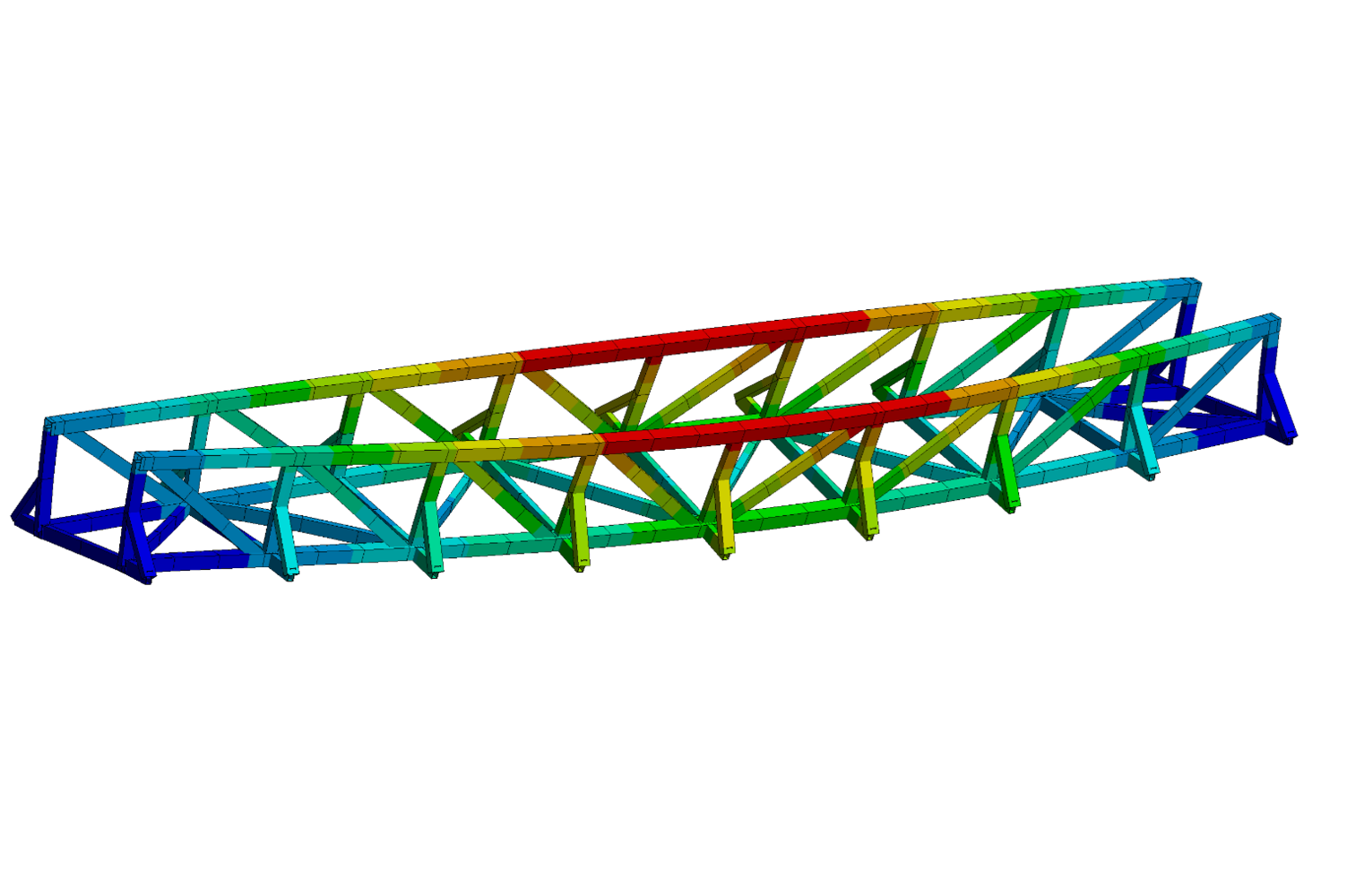
Optimizing Bridge Safety and Efficiency with FEA
In this project, we used FEA to refine a bridge design to ensure compliance with AS 5100, the Australian Standard for Bridge Design. Through FEA analysis, we identified adjustments to the bracing and member sizes that significantly improved the bridge's natural frequency. This optimization not only ensured the bridge met safety standards but also potentially led to a more efficient and cost-effective design.
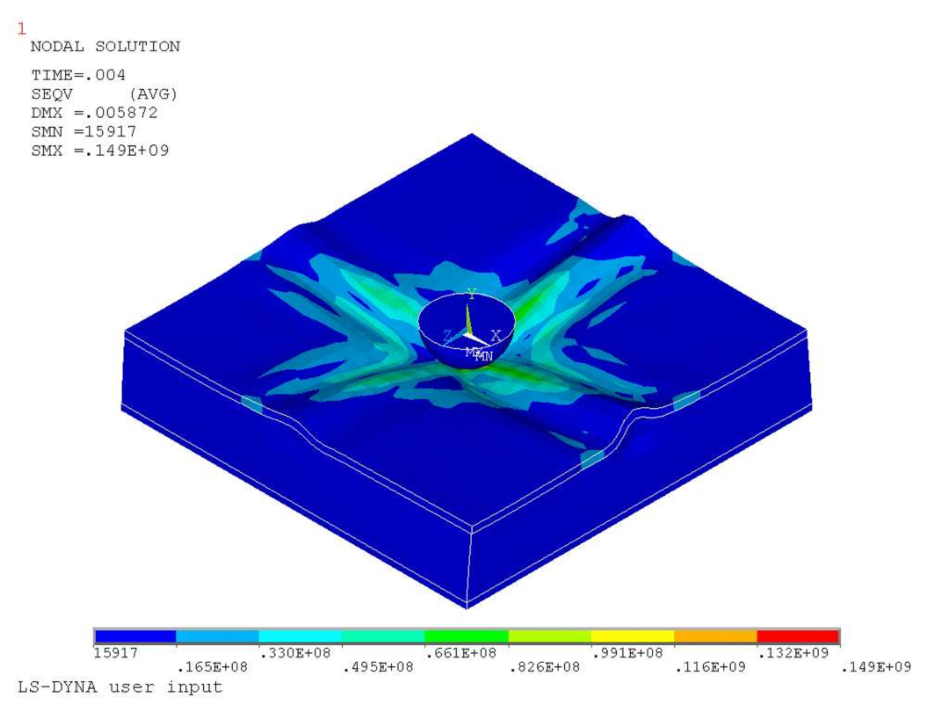
Understanding Impact on Composite (FRP) Materials
In this case study, we investigated the impact on a composite (Fiber-Reinforced Polymer) material after damage occurred. Our investigation adhered to the following standards: BS EN 13121-3: This standard focuses on the design and workmanship of above-ground GRP (Glass-Reinforced Plastic) tanks and vessels. ASME RTP-1: This standard covers the design, fabrication, and inspection of reinforced thermoset plastic corrosion-resistant equipment. By following these rigorous standards, we ensured a thorough and accurate assessment of the damage to the composite material.
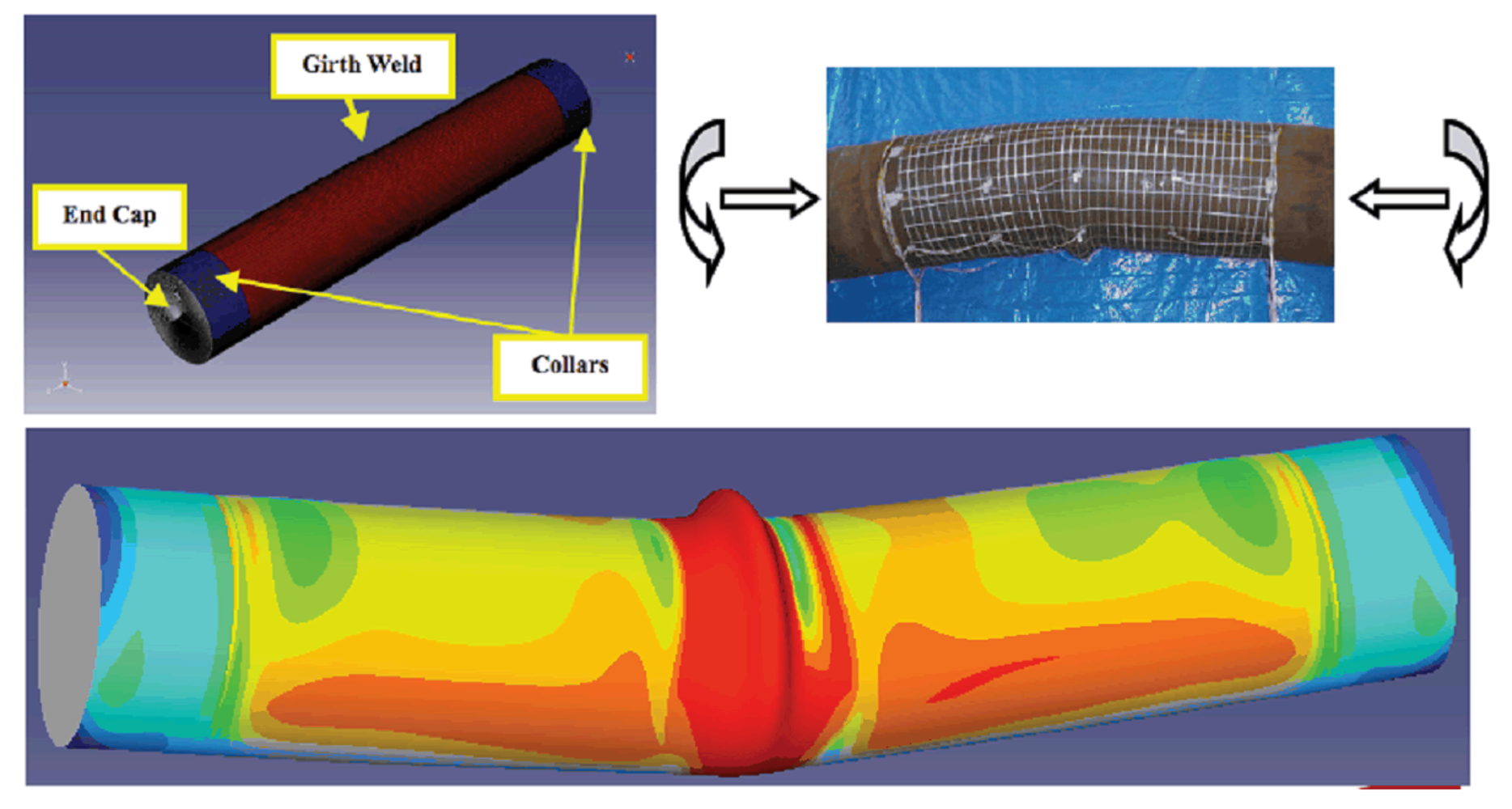
Ensuring Pipeline Safety with Advanced Analysis
We used Nonlinear analysis techniques to assess the pipeline's susceptibility to buckling and ensure its safety. Our analysis results were then compared against the DNV-RP-F110 standard, which provides guidelines for global buckling of submarine pipelines.
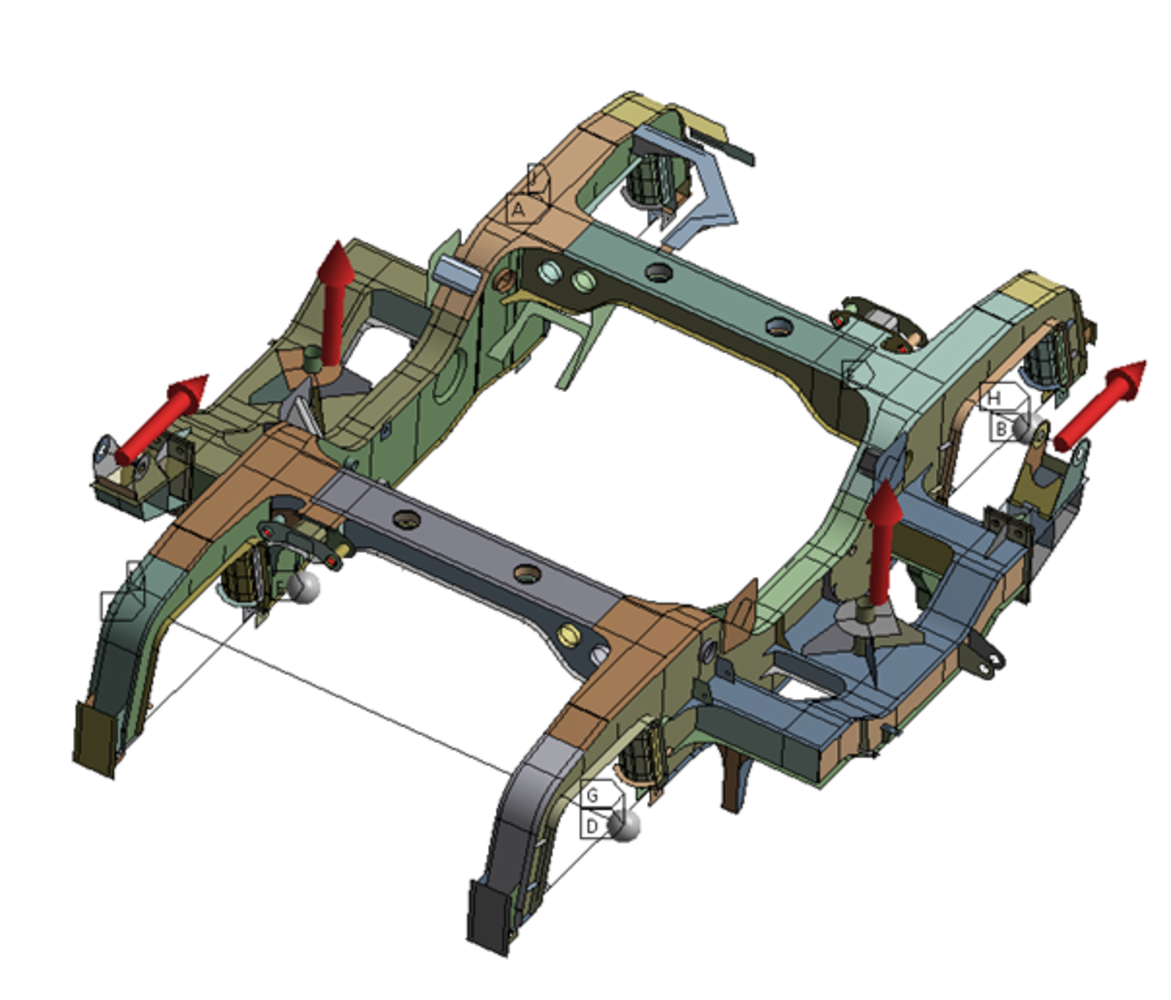
Keeping Trains on Track with Rigorous Fatigue Testing
This case study delves into our approach to ensuring the longevity of train bogie frames. We conducted a comprehensive fatigue analysis and testing program following these key standards: BS 7910: This standard provides methods for assessing the acceptability of flaws in metallic structures. BS 7608: This standard focuses on the fatigue design and assessment of steel products. EN 13749: This European standard outlines the method for specifying the structural requirements of bogie frames used in railway applications. By adhering to these rigorous standards, we can identify fatigue life and critical crack length and ensure the safe and reliable operation of trains for years to come according to the inspection plan
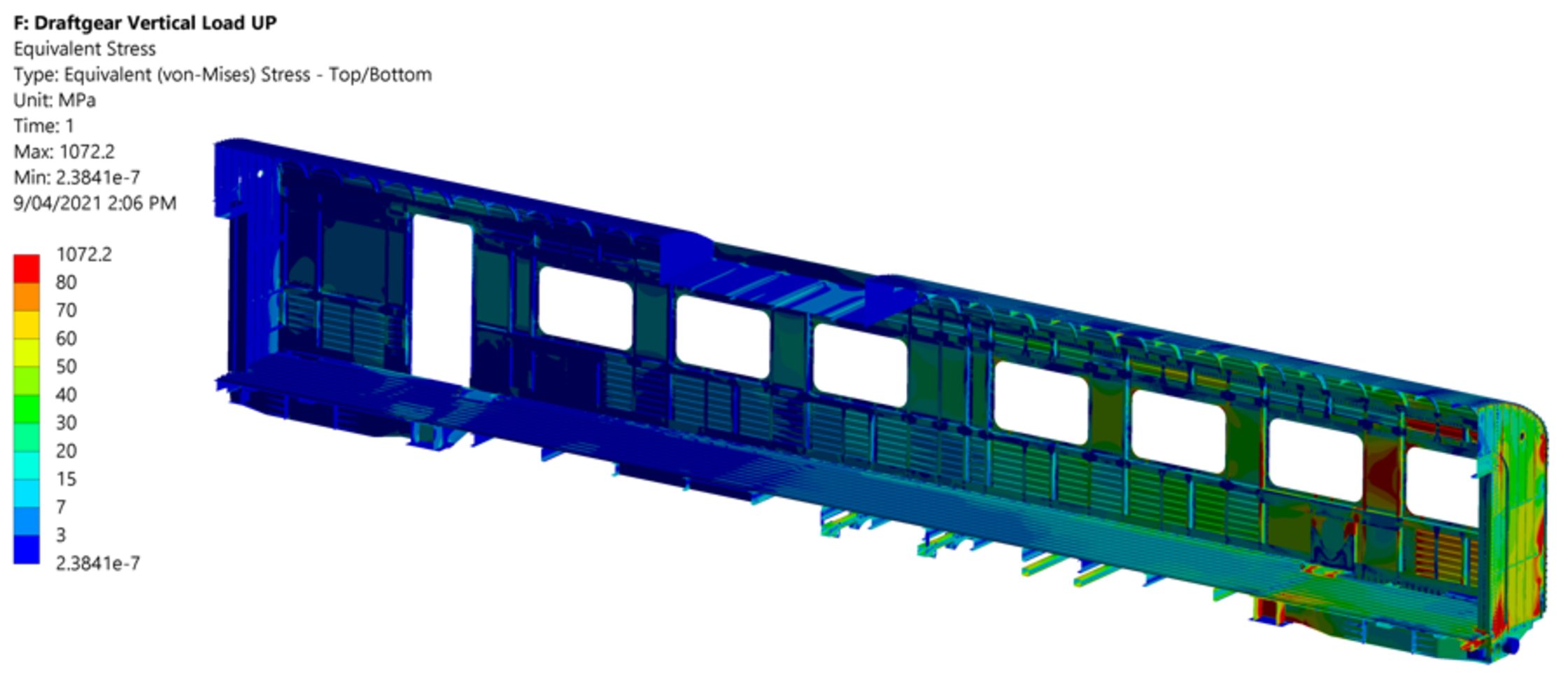
Ensuring Train Carriage Strength with Advanced Analysis
We employed cutting-edge analysis techniques that adhered to the rigorous MD-10 series standards for rolling stock. Specifically, we focused on the critical load cases outlined in MD-10-128, ensuring the train carriage could withstand the demands of real-world operation.
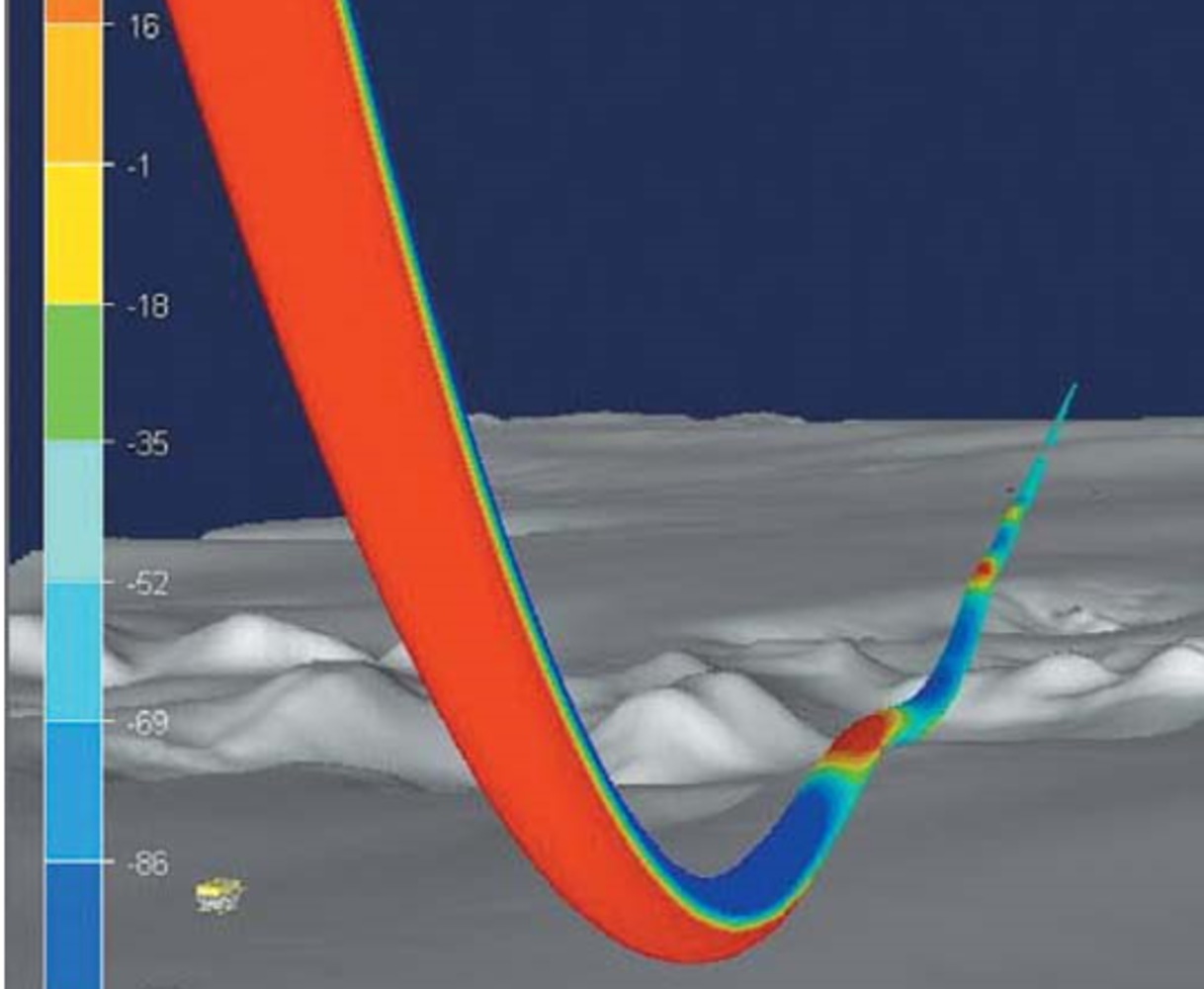
Subsea Pipeline Laying with DNV Expertise
This case study showcases how we leveraged our expertise in DNV codes to optimize the pipeline laying process. DNV codes provide a comprehensive set of guidelines for ensuring safety and efficiency during pipeline installations.

Safeguarding Mining Operations with Rigorous Design Analysis
We performed a comprehensive risk assessment of the proposed body modifications, adhering to the following critical standards: AS 4324.1: This standard focuses on the design and safety of mobile equipment used for continuous handling of bulk materials. AS 4100: This standard provides essential guidelines for structural design, ensuring the stacker's ability to handle the intended loads. By following these rigorous standards, we helped ensure the safe and efficient operation of the modified mining stacker.